The challenge: While fruit and vegetable consumption in Brazil remains high and habits appear strong, deeper patterns reveal missed opportunities — including meal-skipping, low serving knowledge, and child engagement gaps.
The International Fresh Produce Association surveyed 753 Brazilian consumers to understand how fresh produce fits into real-life behaviors and family routines. This section reveals how habits, convenience, and cultural priorities shape produce consumption, offering actionable ways to make fruits and vegetables a more central, daily experience.
Serving Confusion in Brazil
Brazilians believe the average recommended intake of fruits and vegetables is 3 servings per day, falling short of global nutrition guidance.

The Opportunity: Use clear, visual tools on packaging and in retail settings to demystify serving sizes and daily targets.
Snacking Is Reshaping Mealtimes
More than half of Brazilian adults regularly replace meals with snacks, revealing a shift away from traditional mealtime structures.
The Opportunity: Create produce snack formats that feel satisfying and complete, not just complementary or supplemental.

Strong Beliefs, Moderate Follow-Through
95% of Brazilians say they eat the same or more produce than last year, and many cite health benefits but overall daily intake still falls short of nutrition goals.

The Opportunity: Bridge the intention-action gap with tips for habit stacking, such as pairing produce with breakfast routines or afternoon snacks.
Engaging the Next Generation
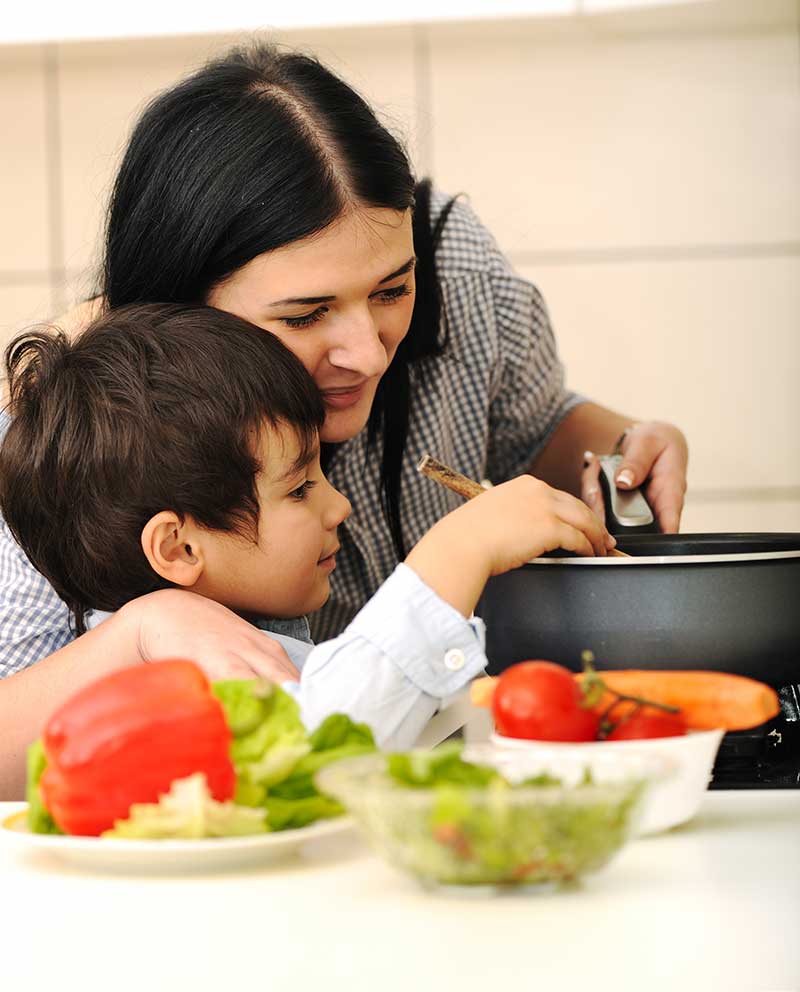
Only 21% of Brazilian parents say they let their children cook with them at age 8 or earlier, suggesting a missed opportunity for building lifelong produce habits.
The Opportunity: Create family-focused programs that promote co-cooking and shared prep, especially with colorful, fresh ingredients kids enjoy.
Quick Wins for Produce Marketers in Brazil

Launch “snack as a meal” fresh produce combos for on-the-go adults.

Use meal-planning content to position produce as a primary ingredient.

Add visual serving-size education to labels, POS displays, and social content.

Promote family cooking activities tied to seasonal produce.

Reinforce habit-building messages that embed produce into daily routines.